

Young people with disabilities are often the subjects of research: studied, surveyed, interviewed or merely engaged as data collectors, yet rarely invited into the spaces where research questions are shaped, data is interpreted, and decisions are made. But when youth move from being participants to becoming coresearchers, the entire research process becomes more grounded, ethical, and transformative.
This article explores what it takes to meaningfully engage youth with disabilities as coresearchers, and how we can design inclusive, empowering research environments that support their leadership from start to finish.
1. Designing Inclusive, Empowering Research Experiences
Youth with disabilities hold lived expertise that is invaluable for shaping relevant, just, and community grounded research. But participation becomes meaningful only when research systems are intentionally designed to meet their diverse realities.
Start with lived experience
Ground discussions in youth narratives; their challenges, goals, and insights. When the topic connects directly to their lives, engagement becomes natural and intrinsically motivating.
Recognize diversity and avoid one size fits all approaches
Youth with disabilities vary by disability type, communication style, age, education, socioeconomic status, and context. Inclusion requires:
- Interpretation (e.g., sign language)
- Accessible venues
- Transport or mobility support
- Multiple communication formats
- Assistive tools and technology
Invitation is not enough, we must design conditions where they can truly participate.
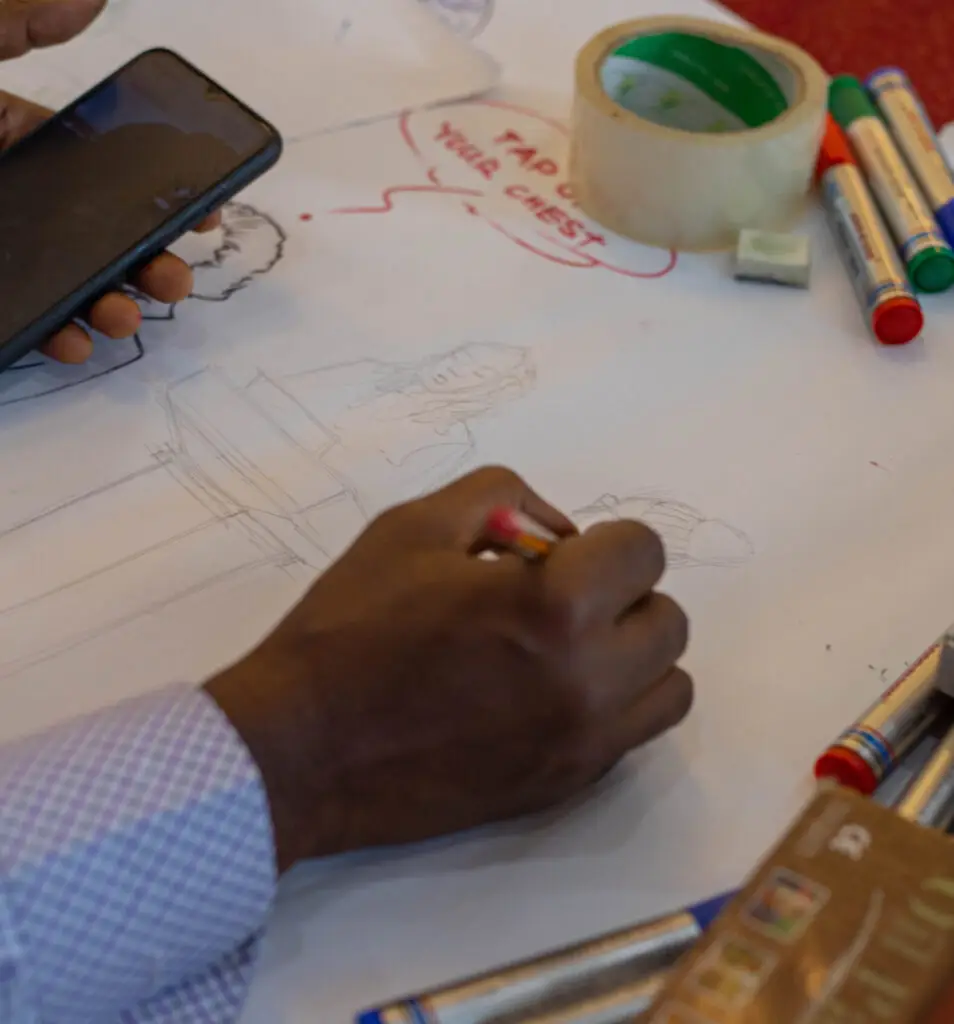
De-mystify the research process
For many, research is unfamiliar territory.
- How research timelines work
- What ethics and informed consent mean
- The basics of qualitative and quantitative methods
- Why research sometimes moves slowly, then suddenly fast
Clarity empowers youth to participate confidently and sustainably.
Acknowledge and discuss power dynamics
A common assumption for first-time co-researchers is that lead researchers hold all the knowledge. Participatory research requires naming and unpacking power dynamics:
- Who defines the research questions?
- How is funding controlled?
- Who owns the data?
- Whose views count the most in analysis and sensemaking?
- How will credit and authorship be shared?
Lived experience is expertise; youth with disabilities deserve to see themselves as knowledge producers, not just contributors. Equip them to understand what they can shape and how their input informs decisions.
Use accessible, human-centred communication
Plain language, easy read documents, visuals, and storytelling make research more approachable. Validate the emotional, narrative, and embodied knowledge that youth bring; it is just as critical as technical knowledge. Easy-read documents, visuals, and storytelling make research more approachable. Validate the emotional, narrative, and embodied knowledge that youth bring
2. Meaningful Participation Across the Entire Research Cycle
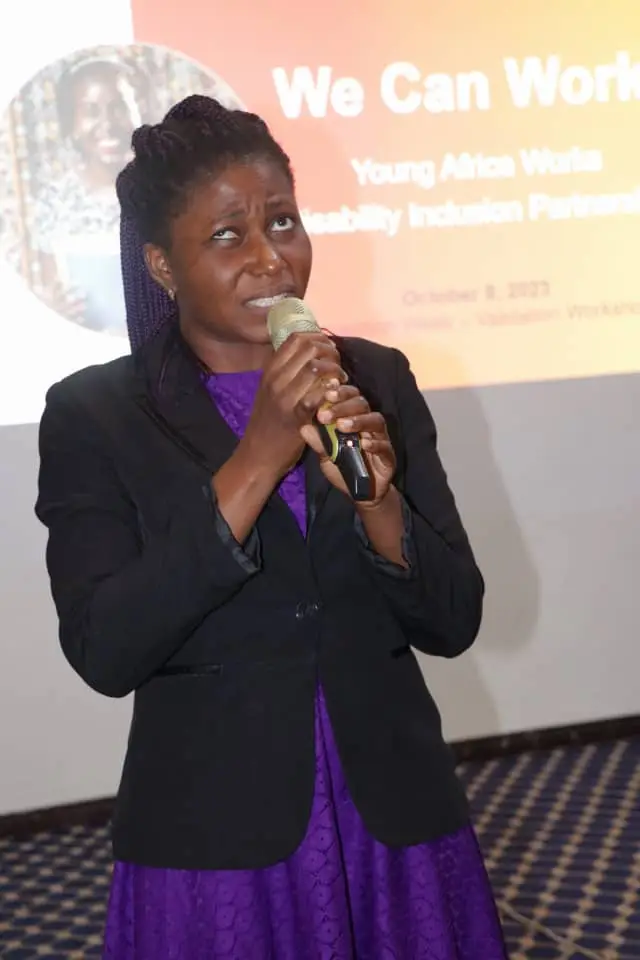
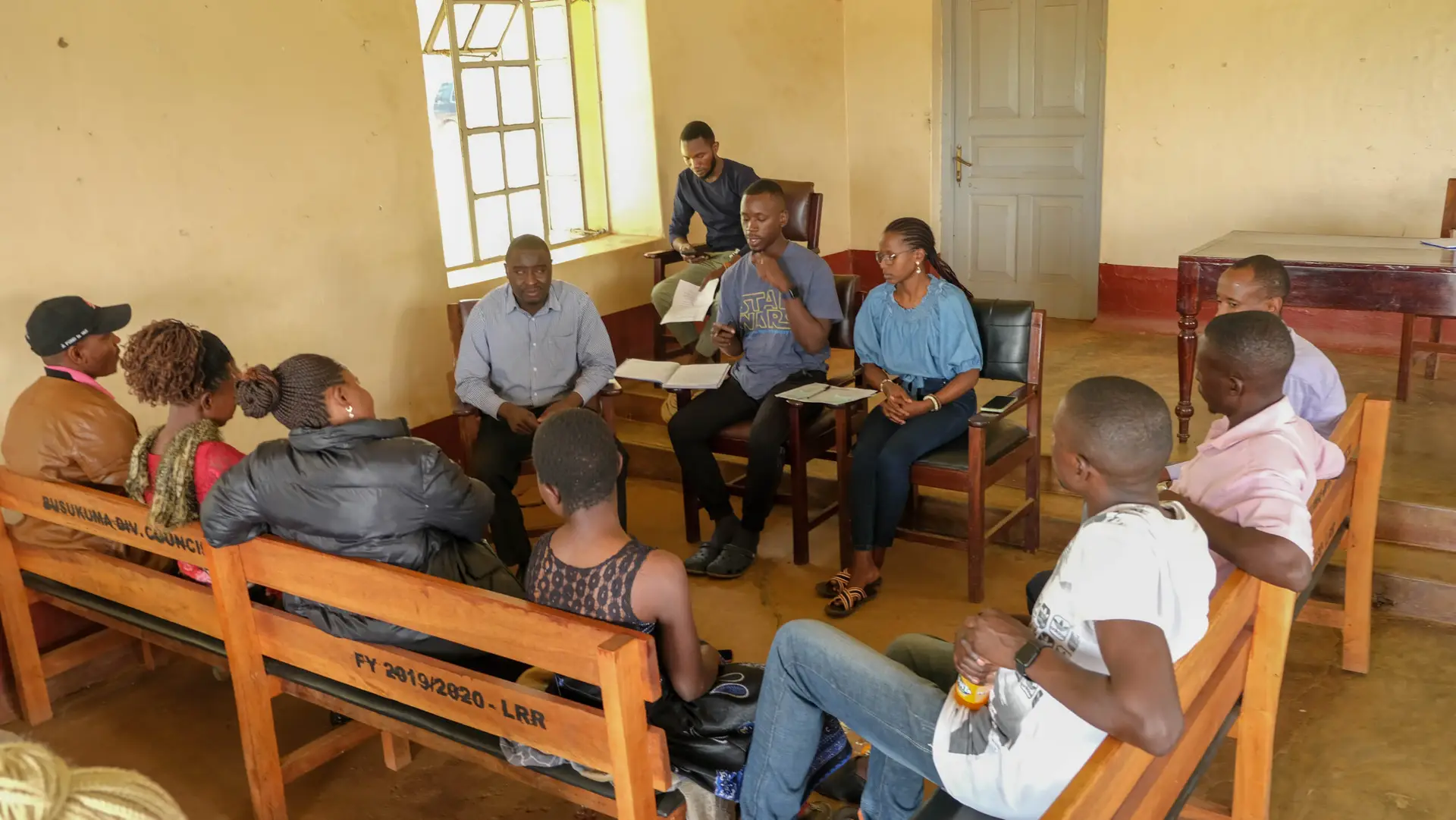
Engaging youth with disabilities as coresearchers means involving them at every stage of the process, not just during data collection. What does this mean in practice?
- Co-defining research priorities: youth with disabilities identify what matters most to them, shaping the direction and purpose of the study and defining research priorities
- Co-designing research tools: they help refine questions, spot biases, and ensure tools are accessible and culturally relevant.
- Participating in data collection: peer interactions often lead to richer insights, deeper trust, and greater authenticity.
- Joining analysis and sensemaking: they help interpret data in ways that reflect lived realities and community nuance.
- Validating the findings: their involvement ensures accuracy, fairness, and respect for community voices.
- Co-leading dissemination: youth with disabilities can present findings in community spaces, policy forums, or social platforms; amplifying impact and shifting perceptions of who “gets to be” a researcher.
- Make accessibility a constant: throughout the process, ensure:
-
- Interpretation
-
- Scribes or notetakers
-
- Accessible materials
-
- Sensory safe and physically accessible spaces
-
- Psychological safety and supportive facilitation
- Welcome disagreement: authentic participation includes debate. Stress and encourage differences in opinion not as disruptions but key to deepening the research and expanding understanding.
3. Beyond the Study: Building a Long Term Youth Engagement Ecosystem
Co-researchership should not be a one-off experience. Youth with disabilities deserve pathways to continue growing, contributing, and leading.
Sustain involvement beyond the project: invite them to shape future phases, implementation efforts, community outreach, or programme adaptations.
Close the learning loop: bring findings back to youth in accessible formats. Host shared interpretation sessions. Coplan next steps together.
Create ongoing roles: these can include:
- Youth advisory boards
- Peer researcher networks
- Youth ambassadors
- Cofacilitators or co-trainers
- Mentorship roles within new research teams
Offer meaningful recognition: honour their contributions with certificates, recommendation letters, skills development opportunities, and leadership pathways. Recognition affirms that their time, insight, and labour matter, as well as directly contributes to their career and professional development.
Support youth-led advocacy: research does not automatically create change, but youth can use results to organise both individual and collection action. Explore these next-steps together with them.
Youth With Disabilities Are Co-Creators, Not Subjects
Engaging youth with disabilities as coresearchers, even more so in disability-related research, is a matter of justice, relevance, and shared power. When young people are supported to lead across the research cycle, the outcomes are more grounded, the process is more ethical, and the impact is far more sustainable. The research world is stronger when they are at the table, shaping the questions and driving the change they want to see.