


Accessibility: A Barrier Free Environment
Home » Learn » Understanding Disability & Inclusion » Accessibility: A Barrier Free Environment
Accessibility refers to creating environments, products, and services that everyone, including people with disabilities, can access without barriers, ensuring equal participation in all aspects of life through physical, technological, and social accommodations.
What Do We Mean By Accessibility?
Accessibility is broadly understood as an ability to access or benefit from any product, device, service or environment. If a product, service or environment is accessible, it means that all people with and without disabilities can access it without facing any barrier.
The definition of accessibility is that a person is able to:
- Move around freely without obstacles
- Move around with confidence and respect
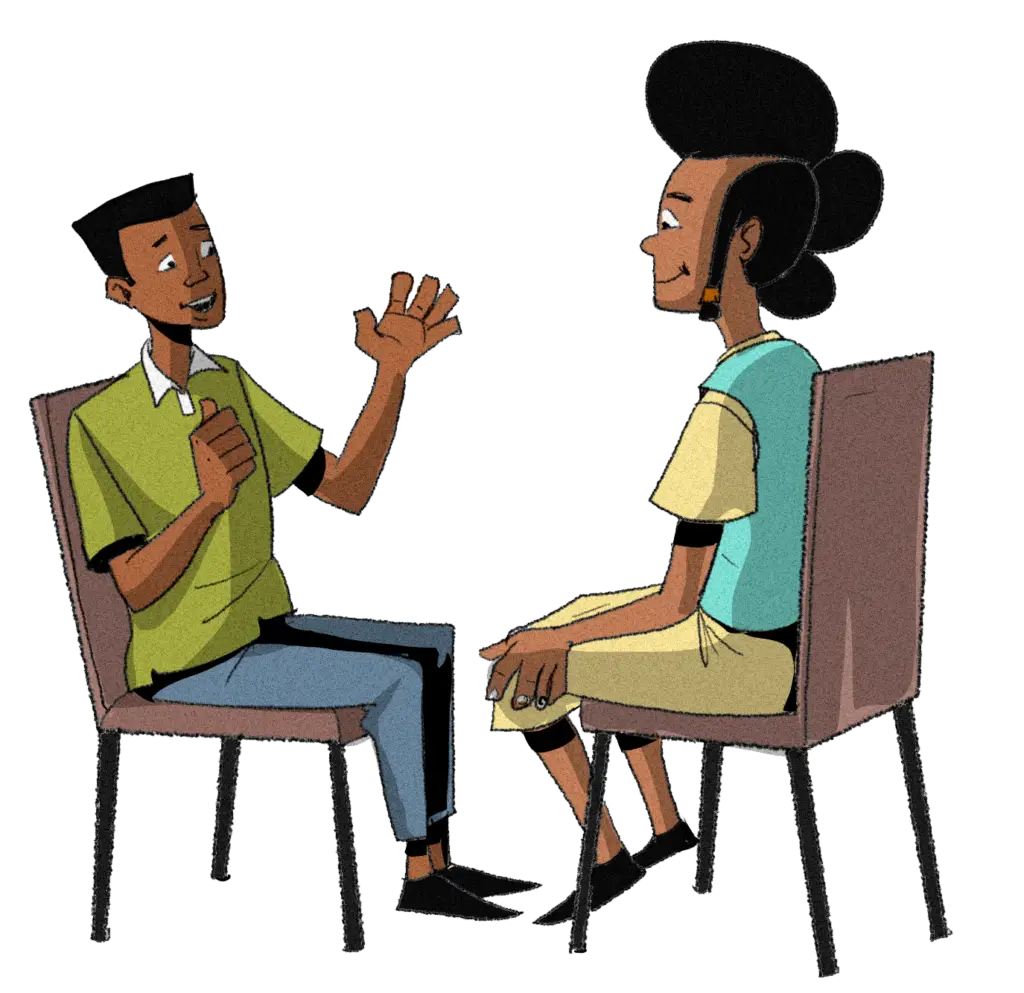
In 2013, the United Nations High-level Meeting on Disability and Development stressed the importance of ensuring accessibility for inclusion of persons with disabilities in all aspects of development.
What can you find in this section?
The UN CRPD
One of the general principles (Article 3 (f)) of the United Nations Convention on the Rights of Persons with Disabilities (UN CRPD) is the concept of Accessibility.
Article 9 the UN CRPD states the responsibility of government “to ensure to persons with disabilities access, on an equal basis with others, to the physical environment, to transportation, to information and communications…, and to other facilities and services open or provided to the public, both in urban and in rural areas”.
Framework For Ensuring Accessibility
The Convention of the Rights of Persons with Disabilities considers accessibility as a cross-cutting issue that enables persons with disabilities to live independently and participate fully in all aspects of society.
The Convention promotes accessibility in:
- Design and development as well as availability of new technologies, including those of information and communication technologies (Article 4);
- Indoor and outdoor facilities, including schools, housing, medical facilities and workplaces (Article 9);
- Independent living within the community (Article 19);
- Personal mobility (Article 20);
- Possibilities to freely express oneself and access information (Article 21).
Barrier-Free Access
Accessibility is a very important core element of disability inclusion. An accessible barrier-free environment is a very important step towards fulfilling the rights of persons with disabilities to participate in all areas of community life.
A barrier-free environment means more than just physical access such as the building of ramps, but needs to be applied much more broadly.
In a society that offers all its members appropriate and equal access to transportation, technology, housing, services and community infrastructure, persons with disabilities have more chances to develop their skills and contribute to communal life.
This can mean making reasonable accommodations – small adjustments to the environment to make it more friendly to persons with all types of abilities.
Accessibility Needs
There is no one size fits all solution to accessibility for persons with disabilities because needs vary greatly from person to person. There are however some general things that you can incorporate into your work or environment to start tackling accessibility today.
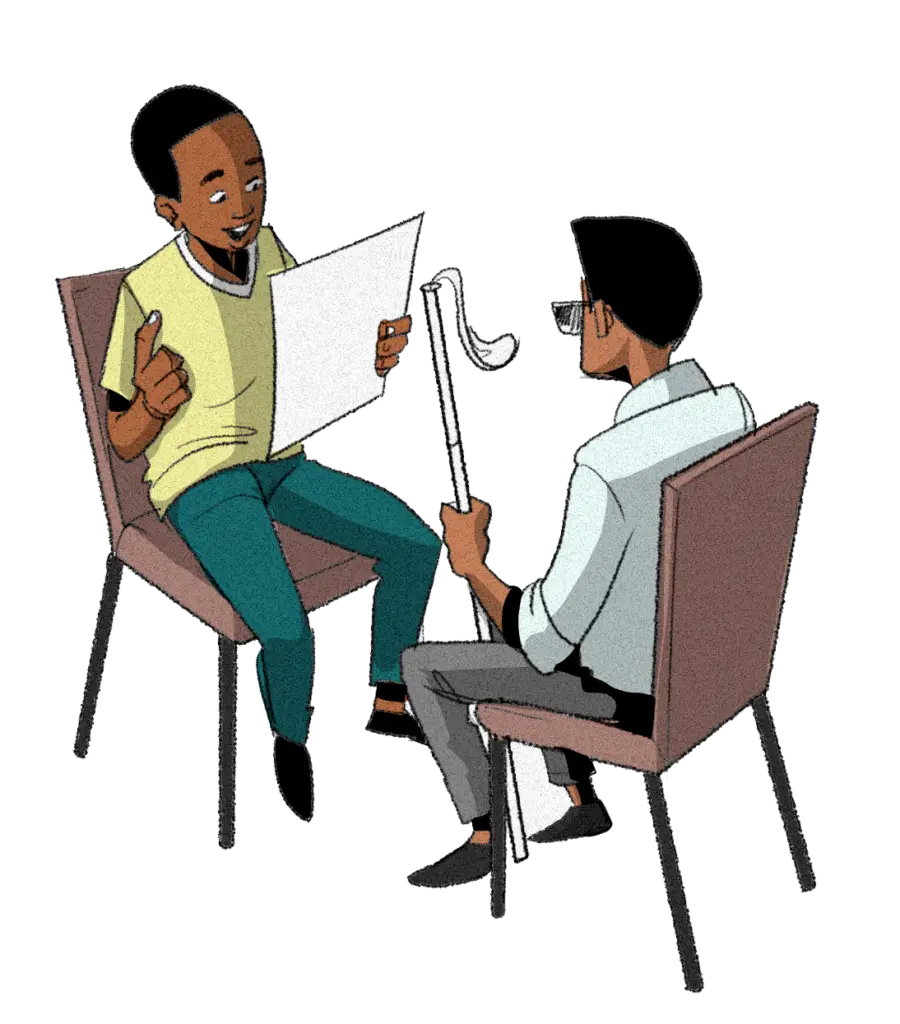
People with visual impairments
- Good lighting for people with low vision
- Good tactile markings for identification
- Securely fixed handrails
- Signage in braille, embossed and/or large letters
- Pathways cleared from objects and debris to avoid people from tripping over.
People with hearing and / or speech impairments
- Good lighting for people with low vision
- Good tactile markings for identification
- Securely fixed handrails
- Signage in braille, embossed and/or large letters
- Pathways cleared from objects and debris to avoid people from tripping over.
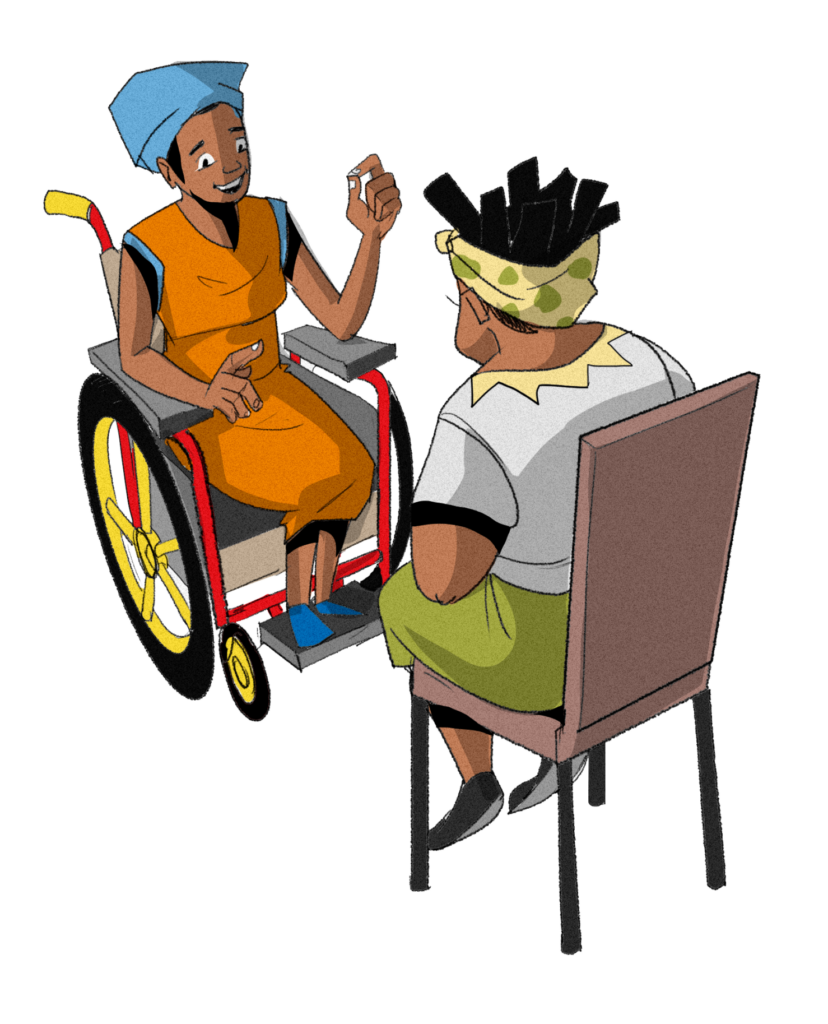
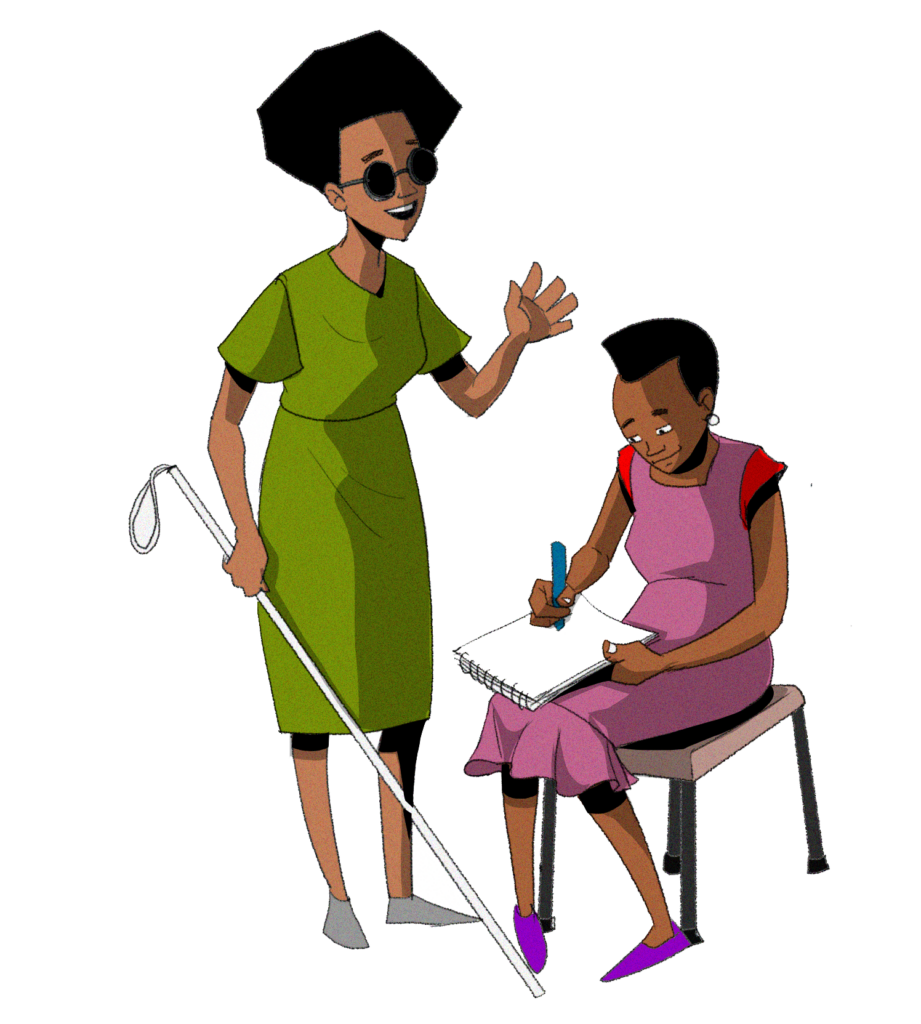
People with intellectual impairments
- Clear and frequent communications on events, activities to take place or be expected
- Easy-read written material: clear and simple messages supported by pictures.
- Clear communication about the accommodations provided so that those with undisclosed mental health conditions have access
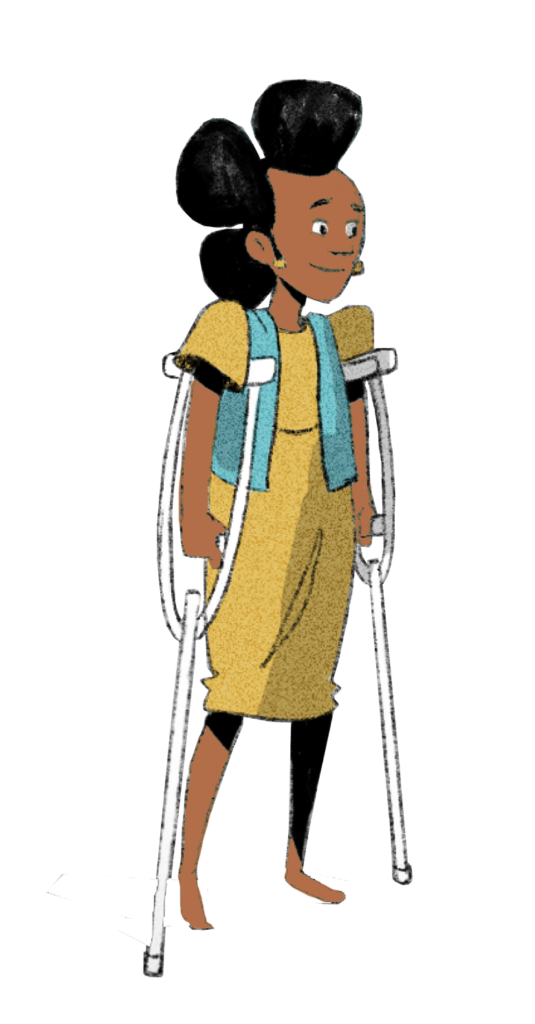
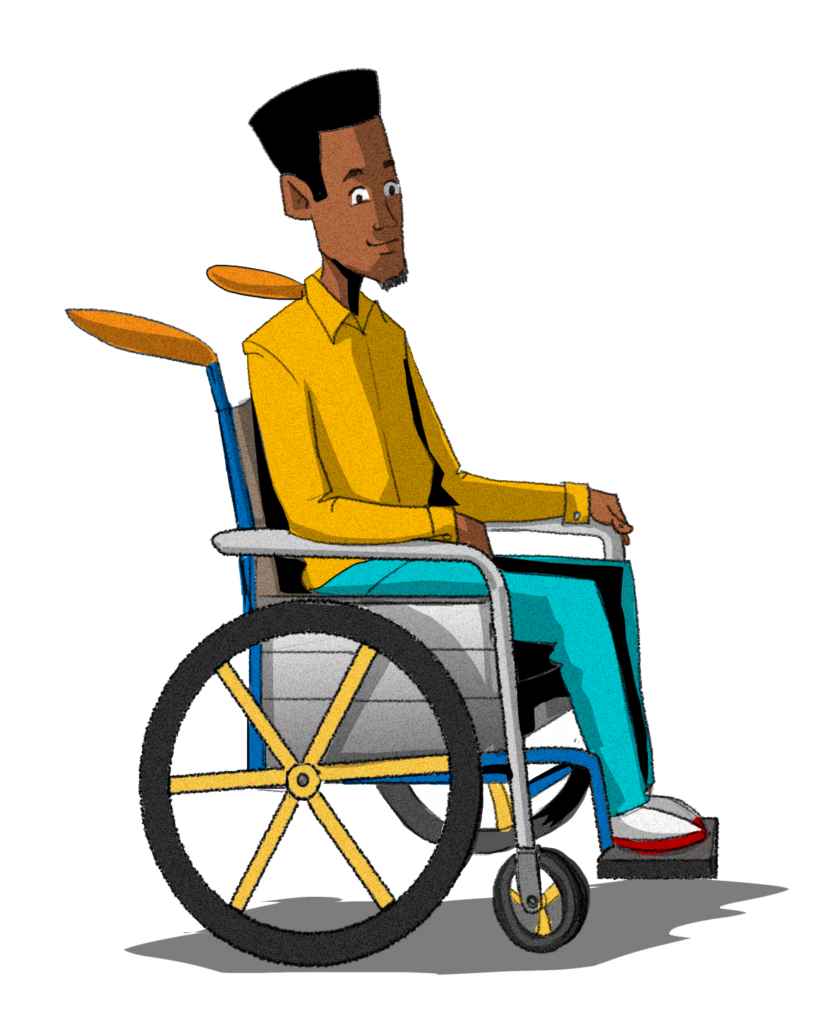
People with physical impairment (difficulty walking)
- Clear and frequent communications on events, activities to take place or be expected
- Easy-read written material: clear and simple messages supported by pictures.
- Clear communication about the accommodations provided so that those with undisclosed mental health conditions have access
People with physical impairment (difficulty using arms and hands)
- Place handrails so they can be easily grasped or leaned on by a person who has limited use of their hands.
- Doors that permit easy access e.g. revolving and sliding doors
- Accessible toilets and washing facilities.
For more in-depth guidance on how to include people with different types of impairments, check out the Inclusion Inclusion Tips page!